The main characteristics of Japan are as follows:
Geography and Environment
Island Nation: Surrounded by the sea on all sides, it possesses a vast exclusive economic zone (6th largest in the world).
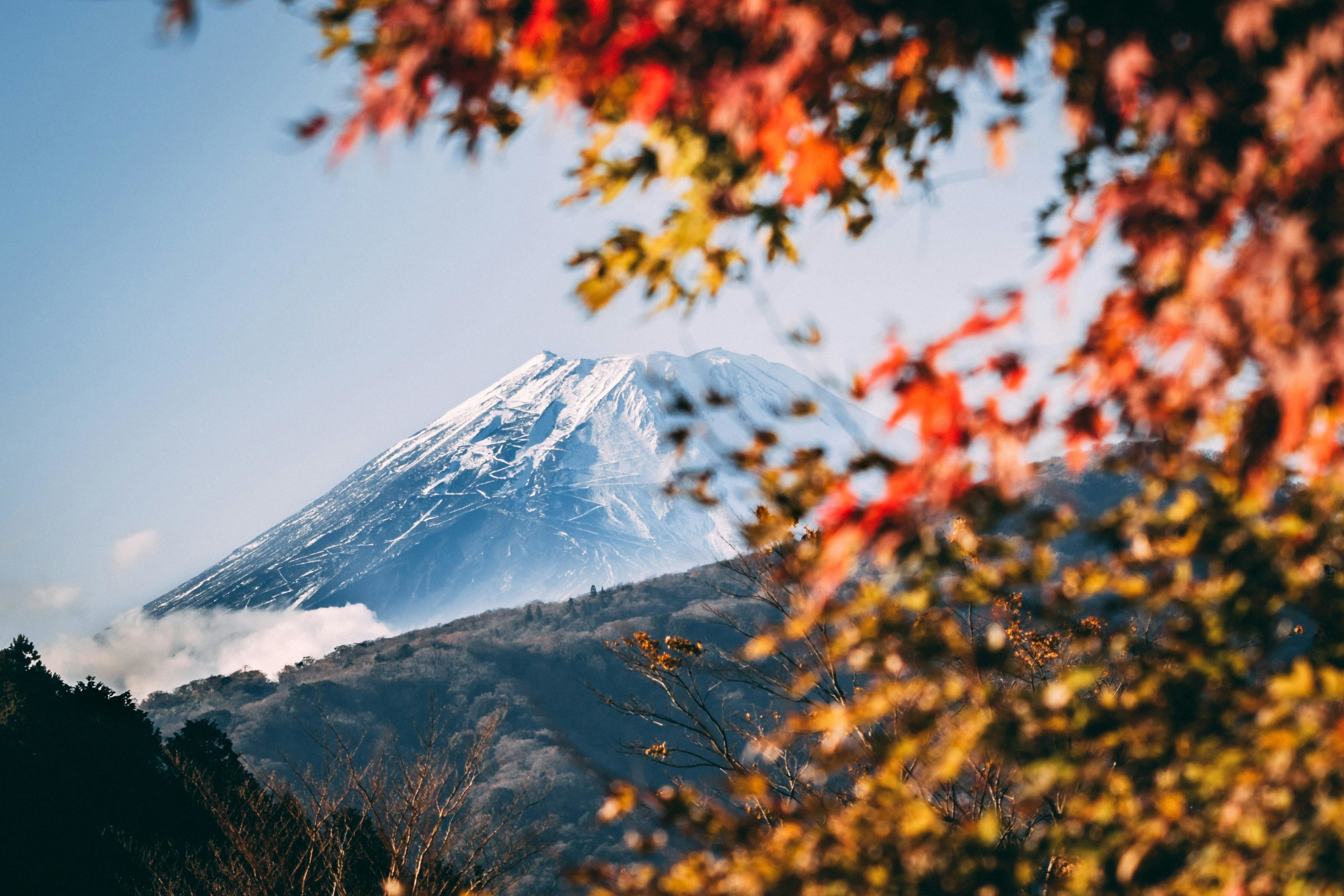
Nature: Mountainous terrain with distinct seasons.
Society and Culture
Public Safety: A country with extremely low public safety compared to the rest of the world.
Service and Technology: Characterized by attentive customer service, high-quality infrastructure, and cutting-edge technology.
Food Culture: Washoku (Japanese cuisine) is registered as a World Heritage Site, offering high-quality meals.
History and Politics
National Name: The name “Japan” was established in 701 by the Taihō Code.
Political System: It is a democratic nation and a constitutional monarchy with the Emperor as the symbol of the Japanese nation and the unity of its people.
Modern Japan
Challenges: The declining birthrate, aging population, and population decrease are major social challenges.
Global Status: It is a member of the G7 major economies and upholds pacifism in its constitution.
To understand “Japan as a country,” it is important to consider its historical background and the current state of its society and economy.
Japan is an island nation located in East Asia, consisting of over 14,000 islands. Comprised primarily of the four major islands of Honshu, Hokkaido, Kyushu, and Shikoku, it is an economic powerhouse with a population of over 123 million, internationally recognized for its stable public safety, advanced technology, rich food culture, attentive service, and its spirit of hospitality and high moral standards.
Wikipedia
The main characteristics of Japan are as follows:
Geography and Environment
Island Nation: Surrounded by the sea on all sides, it possesses a vast exclusive economic zone (6th largest in the world).
Nature: Mountainous terrain with distinct seasons.
Society and Culture
Public Safety: A country with extremely low public safety compared to the rest of the world.
Service and Technology: Characterized by attentive customer service, high-quality infrastructure, and cutting-edge technology.
Food Culture: Washoku (Japanese cuisine) is registered as a World Heritage Site, offering high-quality meals.
History and Politics
National Name: The name “Japan” was established in 701 by the Taihō Code.
Political System: It is a democratic nation and a constitutional monarchy with the Emperor as the symbol of the Japanese nation and the unity of its people.
Modern Japan
Challenges: The declining birthrate, aging population, and population decrease are major social challenges.
Global Status: It is a member of the G7 major economies and upholds pacifism in its constitution.
To understand “Japan as a country,” it is important to consider its historical background and the current state of its society and economy.
Japan’s land area is approximately 378,000 km², with about 70% being mountainous areas such as forests, resulting in a limited habitable area. The population is approximately 122.64 million (as of March 2026) and is declining, with a particularly pronounced concentration in the Tokyo metropolitan area. The aging population and declining birthrate are progressing, and a future decrease in the total population is predicted.
Overview of Japan’s Land Area and Population (as of 2026)
Land Area: Approximately 377,900 km² (consisting of Honshu, Hokkaido, Kyushu, Shikoku, Okinawa, and over 6,800 islands)
Total Population: Approximately 122,643,209 (Worldometer data as of March 15, 2026)
Population Distribution: Approximately 90% of the population lives in urban areas, with a concentration of population in the Tokyo metropolitan area (Tokyo, Kanagawa, Saitama, Chiba)
Land Characteristics: Approximately two-thirds of the land is covered in forests, and there is little flat land. Population Trends and Challenges
Population Decline and Aging Population:
The population has been declining since peaking in 2009, and the aging rate is extremely high.
It is predicted that the total population will decrease to 87 million by 2070.
Concentration in Tokyo:
More than 36% of the total population is concentrated in Tokyo, Kanagawa, Osaka, Aichi, and Saitama prefectures.
Aging Population:
The proportion of the total population aged 65 and over continues to rise.
Japan Institute of Land and Infrastructure Management
Japan Institute of Land and Infrastructure Management
Small Habitable Land Area
Mountains make up a large portion of the country, with mountains accounting for more than 70% of the land area. As a result, the proportion of flat land where people can actually live (habitable land area) is only about 27.3% of the total land area. Therefore, the population is densely concentrated in limited areas.

コメント